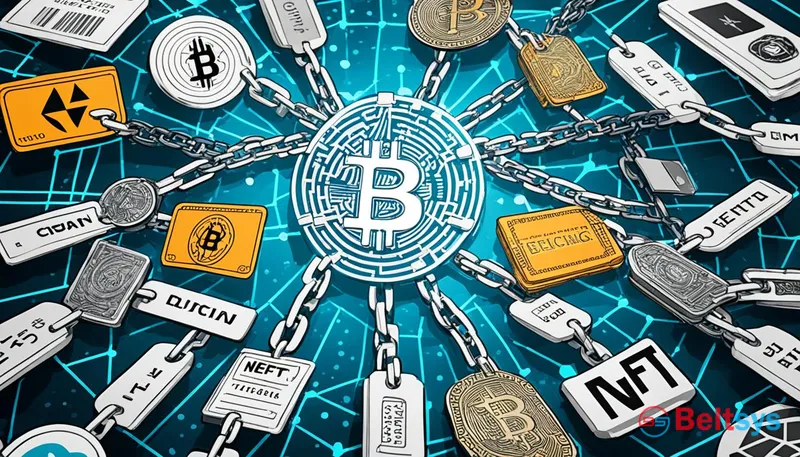


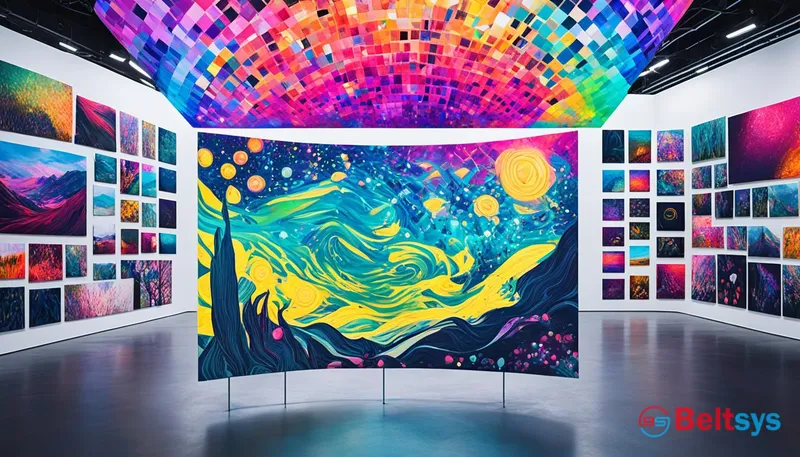
NFTs have transformed digital art. Thanks to them, known as non-fungible tokens, each work is unique on the blockchain. In 2022, 68 million dollars were generated in art. NFTs are expected to reach this figure by 2024. Crypto art offers new opportunities for artists and collectors, but also presents challenges like market volatility and environmental concerns.
NFTs are digital assets that cannot be copied. They have changed how art is viewed, bought, and sold. NFT art represents 15% to 20% of the market. Notable sales include “The Merge” by Pak, sold for 91.8 million dollars. This shows the potential of this new art form.
Key Takeaways
- In 2022, the art market generated about 68 million dollars, a figure NFTs are expected to reach by 2024.
- NFTs enable digital uniqueness and certify the authenticity of works through blockchain technology.
- The first success stories in crypto art have demonstrated the potential of this emerging market.
- The adoption of NFTs in art is democratizing access and eliminating geographic barriers.
- Challenges include market volatility and the environmental concerns of cryptocurrencies.
The Emergence of NFTs in Art
NFTs have changed the world of digital art. Now, buying art is different thanks to them. They use blockchain technology to ensure that each work is unique.
Definition and Basic Concepts
A non-fungible token is special because there is no other like it. Unlike cryptocurrencies, NFTs are unique. Their value comes from that singularity.
History and Evolution
NFTs were born in 2017 with a new standard on Ethereum. With this, unique digital assets were born. Cryptopunks was among the first to use them.
In 2021 and 2022, NFTs became very important in art. Beeple and Kevin McCoy sold works for millions, showing the power of NFTs.
First Success Stories
Sales like Cryptopunks and ‘Quantum’ made history. Beeple also made an impact by selling his work at Christie’s. These examples paved the way for new artists.
Famous people like Stephen Curry and Eminem bought NFTs. This shows that NFTs are popular in many areas, not just in art. They are changing music, fashion, and more.
Blockchain Technology as the Foundation of NFTs
Blockchain technology is changing many industries, including digital art. NFTs, or non-fungible tokens, are redefining how we understand ownership and authentication of works of art. This technology ensures a transparent and secure foundation.
How Blockchain Works
Blockchain keeps a decentralized record of digital transactions. It was created with Bitcoin by Satoshi Nakamoto. It has not only given rise to cryptocurrencies but has also enabled the advancement of NFT art. Ethereum, a leading blockchain platform, supports the creation of smart contracts, enhancing the digital world.
Application of Blockchain in Digital Art
In digital art, blockchain technology converts works into unique digital assets. This changes how art is sold, bought, and verified. Recently, many companies in the art sector are exploring NFT art for digital business. Blockchain platforms for NFT markets have increased, driving their use.
Security and Authenticity
Blockchain stands out for its security. It records every transaction, ensuring transparency and reducing fraud. Tools like Etherscan verify the authenticity of digital works, adding security. Thus, the authentication of digital art through blockchain is revolutionizing how art ownership is viewed. This generates more trust among collectors and investors in the technology.
Transformation of Artistic Ownership and Authenticity
The arrival of NFTs has changed how we understand artistic ownership and authenticity. Thanks to blockchain technology, each work of digital art is unique. This creates a clear system for managing ownership and copyright.
Guaranteed Digital Uniqueness
NFTs are unique assets on the blockchain network. They cannot be divided or exchanged like others. They are bought and sold. Each NFT serves as a digital certificate of authenticity. This ensures that each work is unique. For example, Beeple sold a digital collage for 69 million dollars, a record in digital art.
Proof of Ownership and Copyright
The benefits of NFTs include clear proof of ownership. Blockchain provides superior traceability and security for copyright. The Visual Entidad vs. Mango case highlights how technology protects artists’ rights.
In summary, NFTs are changing digital art. Now, ownership and copyright are clear, thanks to digital uniqueness.
Art Market and Collecting Through NFTs
NFTs have revolutionized the world of art and collecting. Now, there are new ways to buy and sell works. This change has introduced dedicated digital platforms and has revitalized NFT collecting in the secondary market.
Trading Platforms
Digital trading platforms like OpenSea and Rarible changed the game. They allow artists and collectors to connect directly. For example, OpenSea sold Beeple’s work “Everydays: The First 5000 Days.” It was auctioned by Christie’s for an impressive 69 million dollars.
Additionally, platforms like S!gn make it easy to create NFTs. These integrate into the Ethereum network, thus expanding options for users.
Secondary Market Dynamics
NFT collecting in the secondary market is growing rapidly. It features fresh collaborations like “Mercedes-Benz NXT” and “Velocity Series by Oracle Red Bull Racing.” These projects bring variety and excitement to the field.
However, this market also faces challenges, like instability and the possibility of losing value. A September 2023 report indicates that 95% of NFTs could have no value at all.
The art market and NFT collecting are transforming our understanding of digital ownership. They offer enthusiasts an active role in modern art and technology.
Democratization and Accessibility in the Art World
NFTs have changed art. Now, artists and collectors from anywhere can join the global market. Geographic barriers are no longer a problem. This is important for those who sell and buy digital art.
Elimination of Geographic Barriers
The arrival of NFTs has been transformative. Now, an artist from anywhere can show their work to the world. This opens doors to new markets and fosters cultural diversity.
Digitalization of art makes more people enjoy it. Anyone with internet can view and buy digital art.
Digital Art and New Artists
Digital art is an opportunity for emerging artists. Creating and selling NFTs costs between $40 and $120, which is affordable for many. Platforms like Foundation and Nifty Gateway offer a place for new artists.
This helps new talents be discovered. The democratization of art is real thanks to these opportunities.
Impact on Collecting and the Art Market
NFTs make collecting art easier and more practical than physical art. Works can be sold as tokens, which changes how they are valued. For example, a digital work was sold for 69.3 million dollars.
This shows that digital art is as important as traditional art. Furthermore, it attracts young people interested in cultural and social matters.
The Cultural Impact of NFTs
NFTs have created an enormous cultural impact on art and beyond. Artists and musicians can earn money directly from their work. This changes how creators relate to their audience. The blockchain technology of NFTs ensures that ownership is clear and secure. This provides authenticity and security to digital works.
Cultural and Digital Narrative
The history of NFTs is central to today’s digital culture. These digital assets are new collectibles and symbolize innovation. The first NFT, Everydays: The First 5000 Days by Beeple, sold for more than 69 million dollars. Stories like these expand the cultural impact of NFTs.
Influence on Artistic Trends
NFTs are changing art. Now, artists sell works directly. This opens new forms of income and access to digital art. Sites like SuperRare attract a young and diverse audience, giving new life to digital art. Famous artists are exploring this medium, leading the artistic revolution.
New Forms of Expression
NFTs have brought new forms of digital expression. They guarantee payments to creators. This improves the relationship between artists and audiences. NFTs not only provide new income. They also generate social and cultural value. This creates stronger bonds with the audience. Games and virtual worlds use NFTs, integrating them into their design.
Challenges and Controversies
NFTs have changed digital art, facing major challenges and controversies. Thanks to blockchain technology, they certify the authenticity and ownership of digital pieces. However, their market is very unstable.
Market Volatility
The value of NFTs varies widely. They have seen everything from enormous rises to major falls. This has led many to question their viability and real value.
For example, the artist Beeple sold an NFT for $69 million. But almost all NFTs are worth zero Ether. These fluctuations raise doubts about long-term stability.
Environmental Concerns
The environmental impact of NFTs is considerable. They use a lot of energy through the blockchain, like Bitcoin’s. In May 2021, Bitcoin used 151.16 TW/h of energy, equal to countries like Malaysia or Argentina.
Copyright and Intellectual Property
Copyright in NFTs is complicated. Stolen content has been sold as if they were NFTs. This shows a lack of regulation regarding the authenticity of works.
To truly protect digital creators, a solid legal framework is needed. NFT markets are important for authenticating and verifying works and creators. But there is still much to be done.
Future Trends in NFT Art
The future of NFT art offers immense possibilities and surprising innovations. The constant improvement of blockchain technology, plus advances in virtual and augmented realities, promise to change how we interact with and experience art. It will now be more immersive and personalized.
Technological Innovations
A revolution in tools and platforms is transforming NFT art. Thanks to standards like ERC-721 and ERC-1155 on Ethereum, creating and trading NFTs is easier and more secure. Blockchain developments are making marketplaces like OpenSea and Rarible more dynamic and efficient. These innovations pave the way for new art forms.
Virtual and Augmented Reality
VR (virtual reality) and AR (augmented reality) are revolutionizing NFT art. Now, artists and collectors can create experiences that go beyond ordinary screens. This allows exploring virtual galleries and enjoying art in 3D environments. This fusion between NFTs, VR, and AR is changing how we see and consume digital art.
Integration into Other Sectors
NFTs are making an impact beyond art. They have influenced entertainment, fashion, and sports. Avatars like CryptoPunk and Bored Ape Yacht Club have moved billions. Artists like Grimes and Kings of Leon use NFTs to launch exclusive music. Even education, as with VANAS Online Animation School, explores blockchain. NFT art is staking its territory across various fields, promising a broad and interdisciplinary future.
FAQ
What are NFTs and how are they impacting the art world?
NFTs are unique tokens that use blockchain technology. They allow works of art to be authenticated and have a digital owner. They are changing digital art by providing authenticity and originality. Furthermore, they make access to art easier and change how we value art based on its cultural history.
How did NFTs emerge in art?
NFTs started with the evolution of blockchain technology and early successes in digital art. This created a new way to invest in art. It also opened opportunities for new artists and collectors, affecting contemporary art.
What technologies underlie the functioning of NFTs?
NFTs work with blockchain technology. This provides a secure and transparent foundation for authenticating digital art. This is crucial for ensuring the ownership and authenticity of digital art.
How do NFTs guarantee the uniqueness and authenticity of a digital artwork?
NFTs use blockchain to prove the unique and official ownership of a digital artwork. This technology also manages copyright through smart contracts. This provides security to artists and collectors.
What NFT trading platforms are most well-known in the market?
OpenSea and Rarible are important digital art trading platforms. They offer a place where artists can sell their works. Collectors can also buy and sell NFTs easily on these platforms.
How are NFTs democratizing access to the art market?
NFTs have removed geographic and financial barriers, allowing artists from around the world to enter the global art market. This has been good for art collectors and has changed how the traditional art market works.
What cultural impact are NFTs having on the art world?
NFTs are changing artistic currents and bringing new ways to showcase digital art. The culture and narrative around them increase their value. This places crypto art at the heart of modern art trends.
What are the main challenges and controversies in the NFT market?
The NFT market faces challenges such as price fluctuations, environmental concerns from cryptocurrency mining, and legal complexities around copyright. These are important points for artists and collectors.
What are the future trends in NFT art?
Innovations in blockchain and a blend of NFTs with virtual and augmented realities are expected. This will improve how we interact with art. It is also likely that NFTs will affect other creative and social fields, increasing their impact.