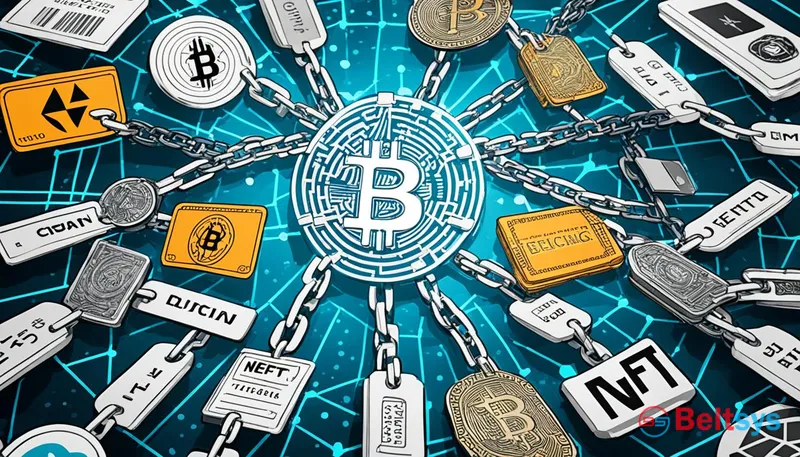



The world of digital entertainment is being transformed by NFT technology. These “Non-Fungible Tokens” are changing the future of video games. Thanks to blockchain technology, games become more interactive and offer authentic ownership. Now, assets can be created and monetized in ways previously unimaginable.
NFTs have changed the way players interact with games. They provide a way to truly and transferably own digital items. They fuel the gaming economy and motivate both developers and players to see entertainment as an investment in unique assets.
Key Takeaways
- NFTs are redefining ownership in games, granting users unprecedented control over their digital assets.
- Blockchain technology guarantees the authenticity and uniqueness of game items converted into NFTs.
- The gaming revolution with NFTs fosters new economic models in the entertainment industry.
- Developers can generate additional revenue and build community loyalty through the issuance of collectible NFTs.
- The strategic use of NFTs in video games poses technical and ethical challenges that require attention and regulation.
- The outlook for NFTs opens a wide field of future possibilities, including the full integration of Web3 into the gaming experience.
This blog provides information for educational and informational purposes only. It is not advice of any kind. The opinions expressed here are solely those of the author and not of the company. Blockchain and AI technologies evolve rapidly, so the information may not be up to date.
The rise of NFT games in the entertainment industry
The entertainment world has changed greatly with blockchain video games. Now we have games that use NFT gaming. This new era changes how games are made and managed. It also changes the digital economy.
Impact on the video game economy
Video games are no longer sold just by title. Now, NFT community interaction is key. NFTs and digital assets allow users to buy and sell properties. These can increase in value over time.
New forms of interaction and community
Blockchain video games change how we interact. They create stronger communities. People come together not just to play, but also for the valuable assets they manage together.
The table shows important changes in entertainment before and after NFTs:
| Aspect | Before NFTs | After NFTs |
|---|---|---|
| Business model | Direct game sales | Ownership and trading of digital assets |
| User interaction | Limited to the gaming experience | Active community in asset management |
| Gaming ecosystem | Closed and developer-controlled | Open and decentralized |
NFTs not only improve the gaming experience. They also prepare the future of video games and the digital economy.
Principles of tokenization in video games
Tokenization is key to integrating NFT technology into the world of video games. This process grants value and secure ownership to digital assets. It makes use of blockchain in video games.
Non-fungible tokens (NFTs) are digital proofs of ownership for unique items. These can be things like armor, weapons, or avatars in a game. With tokenization, these items can be traded and collected. This gives players options to customize and also a way to earn money.
Creating an NFT on the blockchain makes each item unique and unrepeatable. Tokenization adds reality and uniqueness. This attracts those who love competing and collecting rarities in games.
| Benefits | Description |
|---|---|
| Verifiable ownership | Players have immutable proof of ownership thanks to the blockchain registry. |
| Interoperability | Digital assets can be used in different games if developers allow integrations. |
| Controlled scarcity | Token design allows developers to limit the quantity of rare items, which can increase their value. |
| Profitability | Possibility of resale in NFT markets, providing potential earnings for players. |
Tokenization improves the player experience. It offers real ownership and value in the gaming realm. It also drives the security and transparency of blockchain. This is key to trust and action in digital asset markets.
Integration of NFTs in mainstream games
NFTs are changing how we understand popular games. Now, players can own and trade digital goods in a unique way. This novelty drives collaboration between major games and blockchain platforms.
Notable collaborations
NFT partnerships are essential in well-known games. They unite game creators with blockchain companies. Thanks to this, there are collectible items and skins that were previously unobtainable.
Reception and adoption by players
Players have mixed opinions about NFTs. Some see a chance to invest in games they love. But others are concerned about the ethics and real value of NFTs.
Regardless, NFTs are generating a major debate about the future of video games and digital ownership. NFT adoption will improve as more games include them. This will mark a milestone in the history of digital goods ownership in video games.
Blockchain: the infrastructure behind NFTs
Blockchain technology is key for NFTs in gaming. It supports the creation of unique digital assets and provides a secure gaming environment. It makes every transaction transparent and decentralized. Thus, NFT and blockchain ensure that the trading and ownership of digital assets is secure, preventing fraud.
Blockchain technology becomes more crucial in video games. It allows each item or character in the game to be unique and belong to a single player. This elevates security and transparency, and improves the user experience. Players have a reliable system for managing their digital assets.
- Decentralization of transactions: prevents a single point from controlling the system, reducing manipulation risks.
- Authenticity and ownership: the unique registration of each NFT in blockchain technology guarantees secure ownership.
- Interoperability between games: assets can be used across different platforms thanks to blockchain, providing more value.
Secure gaming and a reliable digital market depend heavily on blockchain. Understanding this technology is vital for players, developers, and anyone interested in NFTs and digital entertainment.
Benefits of NFTs for developers and players
NFTs have revolutionized the gaming world for everyone. Now, gaming is innovative and digital ownership is redefined. This technology changes how we experience games.
Promoting digital ownership
A major NFT benefit is securing digital ownership. Players can own everything from outfits to exclusive characters. These can be stored, sold, or traded in NFT markets.
This way, players value their game investments more. They also feel a real connection with their purchased items.
Creating markets and internal economies
The introduction of NFTs creates dynamic virtual economies. Users don’t just play; they also conduct transactions in markets managed by themselves. This benefits both users and game developers.
Developers find new ways to generate revenue. They maintain ecosystems where selling NFT tokens provides sustainable profits. And thus, they continuously connect with players.
NFT technology changes how games are built and marketed. Developers and players see the real value of digital assets. Gaming becomes a more controlled and personal experience. It leads us to a future where the digital and real worlds come together.
Influence of artificial intelligence on NFT games
Artificial intelligence is redefining how we interact with intelligent NFT games. It has become key to innovation in this area. Thanks to it, we are seeing great advances such as blockchain automation and new ways to play.
AI helps us personalize NFT games. It uses algorithms to adapt the game to each player’s preferences. This way, everyone enjoys a unique and immersive adventure. This technology not only makes the game more fun but also keeps players interested for longer.
Regarding digital assets, artificial intelligence and blockchain automation play a fundamental role. They make transactions faster and much more secure. This is essential for preventing fraud and protecting our games.
- Asset management on blockchain through AI
- Dynamic and customizable content creation
- Improved user experience and player retention
Artificial intelligence is the catalyst transforming NFT games. It takes us from simple collections to complete and dynamic experiences.
| Aspect | AI Influence |
|---|---|
| Game personalization | High, based on player behavior |
| Transaction security | Very high, with advanced encryption techniques |
| Content innovation | Continuous AI-based creation |
Challenges and ethical considerations of NFTs in gaming
NFTs are changing how players interact with video games. But this brings sustainability and ethical challenges. It is key to discuss these topics for healthy growth of this technology.
Sustainability concerns
The use of NFTs in gaming makes sustainability a major concern. Blockchain networks consume a lot of energy, increasing the carbon footprint. But there is good news: the industry is seeking greener options, such as proof of stake.
Copyright and intellectual property issues
Using NFTs in games touches the sensitive topic of copyright. The tokenization of digital assets creates new ways of viewing intellectual property and potential disputes. It is vital to define who owns a digital asset and their rights to protect everyone.
To avoid problems, transparency and clarity in NFT sales are needed. This way, ethics in the use of NFTs is always maintained.
Future perspectives for NFTs and Web3 in the gaming world
Video games are changing rapidly thanks to NFTs and Web3 technology. These innovations promise to change the way we play, the economy, and digital ownership. The future of video games looks bright with the combination of NFT and Web3 innovation.
Emerging technologies and their potential
Blockchain technology is making games more decentralized. This offers players a more immersive and participatory experience. Additionally, NFTs allow earning money with collectible digital assets. Web3 innovation makes these opportunities secure and easy to use. Its usage is expected to grow significantly soon.
Expert views on sector growth
Blockchain experts see a great future for NFTs in gaming. They believe players will value digital ownership and the possibility of earning money more. Improvements in artificial intelligence and augmented reality will also have an influence. It is believed that games and technological advances will create new forms of entertainment.
FAQ
What is an NFT and how is it revolutionizing gaming?
An NFT is a unique digital asset on blockchain technology. It represents ownership of an item. In the gaming world, NFTs change how players own digital assets. They enable complete virtual economies.
What has been the impact of NFT games on the video game economy?
NFT games have brought new business models to video games. Players can own assets and act as investors. This opens new ways to earn for both players and developers.
What new forms of interaction and community do NFTs bring to gaming?
NFTs improve how players connect and form communities. They allow exchanging, selling, or buying assets. This strengthens bonds between players and adds interaction beyond the game.
How do the principles of tokenization work in video games?
Tokenization assigns a unique token to a digital asset in the game. With a unique record on the blockchain, each NFT guarantees its authenticity. This makes trading these assets possible.
What notable collaborations have occurred between NFTs and mainstream games?
Some popular games have initiated collaborations with NFT platforms. These collaborations include reward systems and unique NFT collectibles. They manage to attract both players and collectors alike.
How has the reception and adoption of NFTs been by players?
Player reaction to NFTs varies. Some celebrate digital ownership and potential earnings. Others are concerned about the impact on game dynamics and sustainability.
Why is blockchain technology key to the functioning of NFTs in video games?
Blockchain is crucial for NFTs because it provides a secure and transparent registry. This prevents counterfeiting and facilitates transactions between users.
What benefits do NFTs offer for video game developers and players?
For creators, NFTs open ways to earn and protect their intellectual property. For players, they mean owning assets and participating in virtual economies. Both see value in their gaming experience.
How is artificial intelligence influencing NFT games?
AI improves personalization and automation in NFT games. It facilitates everything from generating missions to managing assets. The tokenization of dynamic content is expanded thanks to AI.
What are the challenges and ethical considerations associated with NFTs in gaming?
Challenges include the environmental impact of blockchain and dilemmas about copyright. The energy needed to maintain these networks is concerning, as is the management of rights in digital markets.
What is the future outlook for NFTs and Web3 in the gaming world?
The future looks bright for NFTs and Web3 in video games. Growth in tokenization and a transition to more decentralized and interactive games is expected.