

Since 1991, Tim Berners-Lee initiated a continuous digital transformation. Now, Web3 promises to change how we use the Internet. This phase stands out for its decentralization and the use of artificial intelligence and Big Data.
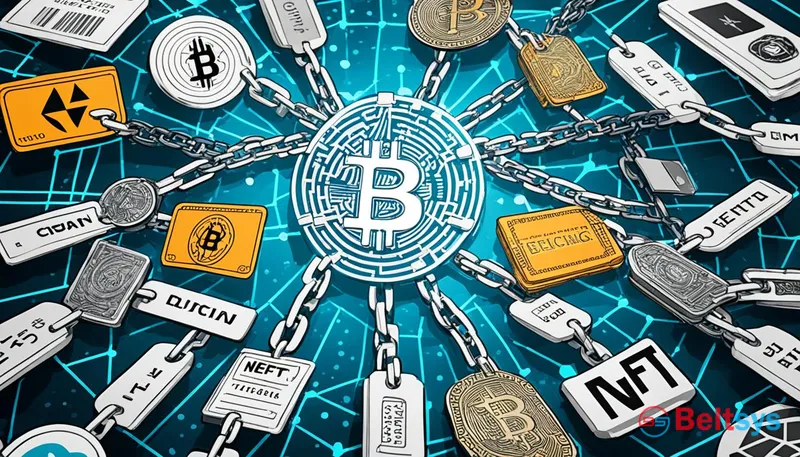
The introduction of blockchain means more security and data ownership for everyone. Tokens, cryptocurrencies, and NFTs will also take an essential role in Web3. Thanks to decentralized browsers, we will experience more security and privacy, ready for widespread adoption.
Key Aspects
- Web3 marks a significant advance over Web1 and Web2.
- Decentralization and transparency are fundamental pillars of Web3.
- The use of blockchain guarantees greater security and data control for users.
- The token economy and NFTs have a relevant role in the digital economy of Web3.
- Web3 adoption promises radical changes in the way we interact with the network and conduct digital transactions.
Introduction to Web3 and web development
The arrival of Web3 brings a significant change in web development. This new era stands out for its decentralized platform nature. It offers more control, transparency, and security for users.
The foundation of Web3 is blockchain. This technology organizes data in a secure and transparent way. Data is stored in blocks, requiring everyone’s agreement for changes. Tokenization allows representing assets with digital tokens, from houses to art.
Web3 also improves how information is organized. It uses technologies like RDF and OWL to connect data. This makes it easier to publish and read structured information online.
dApps, essential in Web3, are based on blockchain. They offer improved security and privacy. Smart contracts, on the other hand, enable direct transactions without intermediaries.
In conclusion, Web3 transforms how we control our data and our online interaction. Thanks to its decentralized design and the use of blockchain, it increases security and opens new possibilities in web development.
The evolution of the web: From Web1 to Web3
The evolution of the web has had several important phases. Each one has changed how we use the internet in our daily lives. We went from Web1, which was basic and simple, to the exciting promise of Web3.
Web1: The early days of the Internet
In the beginning, the Internet was quite simple and we could only read information. We could not interact with the content we saw. Web1 was a place of pure information, with pages that did not change often.
Web2: The era of interactivity and social media
Then came Web2, which allowed us to be part of the web. We could create our own content and connect with others. Social media like Facebook and Twitter made the web a meeting place and conversation hub. But we also became more aware of how companies use our data.
Web3: The promise of decentralization
With Web3, the next step is making the web freer and safer for everyone. It is based on the idea that we control our data, without depending on large companies. Thanks to blockchain technology, Web3 aims to be more secure and open. And with new technologies, we expect an even richer web experience.
Key technologies behind Web3
Web3 uses advanced technologies that change our use of the web. Blockchain is central in this new era of the Internet. It allows us to store data in a decentralized, more secure, and clear way. According to Digiconomist, in February 2022, Bitcoin used as much energy as Thailand per year. However, PoS blockchains could use up to 99.95% less energy than PoW.
The semantic web plays a crucial role in Web3. It aims to make the digital environment more democratic through automatic data selection. Thus, it improves communication between users and technological devices. Web3 stands out for making pages more understandable and better organized for everyone.
AI algorithms drive the evolution of the web. They make web pages offer content matching what users seek. For example, Web3 brings us intelligent assistants like Siri. It also offers advanced search engines like Quintura.
The metaverse is a growing part of Web3, predicting a future full of digital goods transactions and variety in NFT usage. NFTs are created on different blockchains and can take many forms. They are linked to smart contracts, giving them unique characteristics like the possibility of resale and transfer.
Web development technology is advancing rapidly toward sustainability. It is essential for companies to seek how to reduce and communicate their environmental impact when using blockchain. Embracing these innovations leads us toward a more independent and secure web, giving users control over their content.
Decentralization and its impact on security
Decentralization is key to security in Web3. Before, web apps were controlled by a single company. This made them vulnerable. Now, Web3 uses decentralized foundations. They require agreement from many for changes or transactions. Thus, they better resist attacks.
Thanks to decentralization, web apps exist on a network of connected points. This improves privacy and makes the network more secure. With information in multiple locations, the risk of failures is reduced. Although there are challenges, such as bugs in some smart contracts. But transparency and verification provide many benefits.
Blockchain is vital for this collaborative platform. It offers a secure and clear record. In DeFi systems with blockchain, transactions are fast and without extra costs. This promotes fairness and eliminates intermediaries. Even so, there are obstacles like technological complexity and energy consumption.
With decentralization come DAOs. They change how companies operate, making everything more transparent and verifiable through smart contracts. This improves how we interact and use information on the Internet.
Blockchain: The heart of Web3
Blockchain technology is fundamental to Web3. It provides the foundation for having a decentralized and secure internet. Unlike Web2, where data is centralized, Web3 is based on blockchain. This improves the integrity, authenticity, and transparency of transactions and data storage.
Web3 eliminates intermediaries thanks to smart contracts. These activate themselves on the blockchain, which lowers costs and creates new possibilities. Additionally, cryptocurrencies facilitate fast and secure transactions, without banks involved.
Decentralization gives more power to users in Web3. Large corporations no longer hold it alone. This affects social media, e-commerce, and more. DApps extend this to finance, logistics, healthcare, and entertainment, increasing security and transparency.
NFTs show what Web3 can do. They allow digital assets, like art, to be unique and owned by users. But there are challenges like scalability, energy consumption, and regulations that still need to be overcome.
The token economy and its role in Web3
The token economy forms a key part of the Web3 world. It offers unprecedented ways of doing business and participating in decentralized networks. Through tokens, values can be exchanged in decentralized Web3 applications and platforms.
What is the token economy
This economy includes the creation and management of valuable crypto-assets in the digital economy. Tokens represent different types of assets, such as virtual currencies or property rights. Thanks to tokenization, companies and shareholders can easily obtain liquidity through secure token markets.
Practical applications of tokens in Web3
Tokens are used in various ways in the Web3 ecosystem. They are key for developing new business models in decentralized applications. DeFi platforms use them in payments, exchanges, and decentralized lending with smart contracts.
Companies like Telefonica are experimenting with tokens and cryptocurrencies. They allow transactions with currencies like Bitcoin and Ethereum. They have created the Telefonica NFT Marketplace, opening opportunities in the digital economy. Tokens improve exchange operations, participation, and loyalty in the Web3 community.
Advantages of Web3 compared to Web2
Web3 is a big step forward in how we use the Internet. Unlike Web2, with its focus on interactivity, Web3 stands out for its decentralization. This means that instead of storing information in one place, a distributed network is used. This avoids serious failures and improves security.
Web3 also allows you to have more control over your data. You do not have to give your personal information to use Web3 applications. Sites like Ethereum, thanks to tokens like Ether (ETH), make payments possible without sharing personal data.
Transparency is fundamental in Web3. All actions and transactions are permanent and open to everyone. This makes everything clearer and increases trust in the system.
Web3 also makes it possible to create content and applications without depending on a central server. This incentivizes innovation and allows creators to earn more for their work. It is a major improvement compared to Web2 models.
In conclusion, Web3 offers a safer, more open, and fairer Internet. It gives us more freedom and control, opening new ways to connect and transact online.
Challenges and disadvantages of Web3
Adopting Web3 brings several challenges, such as its technical complexity and barriers to entry. Using technologies like blockchain and smart contracts is not easy. A lot of knowledge is needed to use them well. This difficulty can leave out people without access to these technologies. Thus, a digital divide is created.
Technical complexity and barriers to entry
The complexity of Web3 is a major challenge. Understanding blockchain, cryptocurrencies, and the token economy is complicated. You need to learn a lot to manage it. This learning curve is a barrier. Only those who understand these topics well can enjoy their benefits.
Scalability and resource consumption issues
Scalability and high resource consumption are also concerning. Blockchain, key to Web3, seeks to handle a lot of data without losing speed. But the use of a lot of energy, especially with proof-of-work, raises environmental concerns.
Legal and security risks
Legal and security risks are important. Without clear laws, preventing crimes and protecting users is difficult. Dangers, such as cryptocurrency hacks, must be reduced to make Web3 more reliable and secure. Improving standards and protocols is key to achieving this.
FAQ
What is Web3?
Web3 will mark the next big change in the Internet. It is built on decentralized technologies like blockchain. It seeks to make the web more independent, secure, and open, moving away from large companies. Thus, users would have more control over their personal data.
How does Web3 differ from Web1 and Web2?
Web1 provided spaces only for reading static information, being simpler overall. Then, Web2 brought interactivity, social media, and the web became dynamic. Web3, however, goes further by decentralizing everything. It offers secure transactions and more privacy thanks to blockchain.
What technologies support Web3?
The backbone of Web3 includes several technologies. Blockchain, semantic web, artificial intelligence, and the metaverse stand out. Blockchain is crucial for security and decentralization. Meanwhile, the semantic web organizes data. AI algorithms personalize browsing and the metaverse opens new digital worlds.
How does Web3 improve Internet security?
Web3 makes the Internet more secure by avoiding centralized servers. This mitigates the risk of massive attacks and improves privacy. By decentralizing, web operations are transparent and give us more control over our data.
What is the role of blockchain in Web3?
Blockchain is key in Web3, offering a secure and decentralized infrastructure. It manages transactions and data with high security. Thus it promotes a transparent internet where smart contracts and cryptocurrencies play a varied role.
What is the token economy and how does it work in Web3?
The token economy revolutionizes online interactions and business in Web3. Tokens serve as currency within decentralized platforms. They enable new economic forms and empower community participation.
What are the advantages of Web3 compared to Web2?
Web3 has many advantages over Web2. It offers control over our data, greater transparency, and a decentralized structure. It also enables secure digital transactions and creates more autonomous spaces on the web.
What challenges does Web3 implementation face?
Adapting to Web3 presents challenges, many of a technical nature and others due to lack of general knowledge. The challenges include improving blockchain capacity and reducing its high energy consumption. Added to this is the need for a clear regulatory environment and addressing security risks.